How Game Developers Integrate Player Protection Features in UK Mobile Slot Games with Promotional Rounds
Rosa Schmitz · Sep 11, 2026
How Game Developers Integrate Player Protection Features in UK Mobile Slot Games with Promotional Rounds
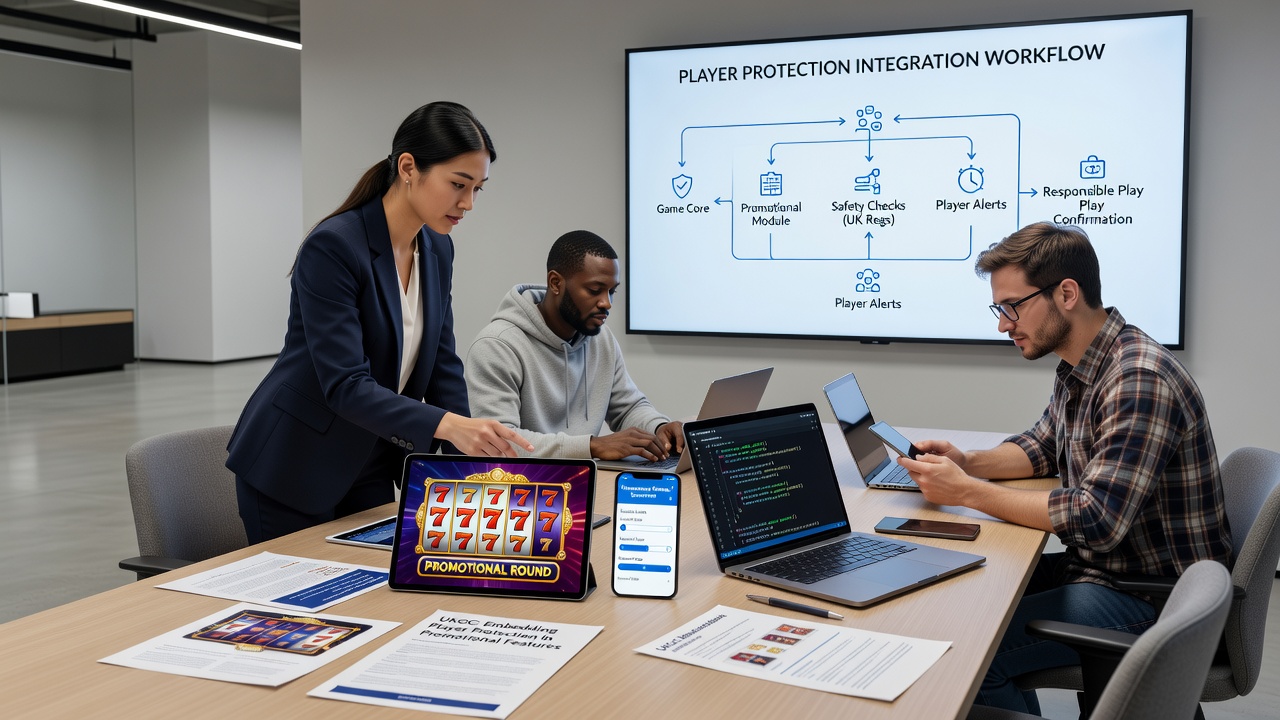
Game developers build player protection mechanisms directly into mobile slot titles that feature promotional rounds, and these systems operate within the framework of UK regulations that require clear limits on play sessions, deposit amounts, and bonus activations. Developers code these tools at the engine level so that promotional free spins and bonus rounds trigger the same safety protocols as standard gameplay, ensuring consistency across every mode a player encounters.
Core Protection Tools Embedded in Mobile Slots
Developers integrate deposit caps that apply automatically when a player activates a promotional round, and these limits reset according to schedules defined by the game software rather than by external prompts. Session timers run continuously in the background, pausing or flagging activity once a player reaches a preset threshold even during sequences of free spins. Reality check notifications appear at fixed intervals, and the same alerts interrupt bonus sequences to display time spent and amounts wagered up to that point.
Self-exclusion functions connect to a central account system that blocks access to all promotional content once a player opts out, and developers test these blocks across iOS and Android builds to prevent bypass through cached data or offline modes. Loss limits track both real-money stakes and promotional credits in real time, halting further rounds when thresholds are met.
Handling Promotional Rounds Under Regulatory Requirements
Promotional rounds receive the same scrutiny as paid play because UK rules mandate that bonus eligibility cannot override protection settings. Developers therefore embed eligibility checks that verify a player’s current limits before unlocking free spins or multipliers. If a limit is active, the game either withholds the promotional sequence or offers a scaled version that respects the cap.
Age verification layers sit at the account level and extend to every promotional trigger, while transaction logs record both deposits and bonus redemptions for compliance audits. Data from the Alcohol and Gaming Commission of Ontario shows that unified tracking across paid and promotional play reduces instances of extended sessions by measurable margins in regulated markets.
Technical Implementation in Mobile Environments
Developers use modular code structures that allow protection tools to update independently of game graphics or reel mechanics. This separation means a new reality-check frequency can roll out across multiple titles without rebuilding the slot engine. Mobile-specific adaptations include larger touch targets for limit-setting menus and push notifications that surface when a player exits the app mid-session.

Cloud-based player profiles sync protection preferences across devices, so a limit set on a tablet carries over to a phone session without manual re-entry. Encryption protects these profiles during transmission, and developers conduct penetration testing focused on promotional round bypass attempts.
Updates Scheduled for September 2026
Industry observers note that several developers plan to activate enhanced spending-pace monitors in September 2026, and these monitors will flag rapid bonus activations even when they fall within existing limits. The updates also introduce granular control over which promotional types count toward loss thresholds, allowing players to exclude certain free-spin mechanics if desired.
Testing schedules published by development studios indicate that these features will undergo regulatory review cycles before deployment, and compliance documentation will accompany each update to maintain alignment with UK standards.
Research Findings on Effectiveness
Findings from the Australian Gambling Research Centre indicate that integrated protection tools in mobile slots correlate with lower rates of extended play across bonus and non-bonus modes. Researchers tracked anonymized session data and observed that players who encountered timed reality checks during promotional rounds adjusted their behavior more quickly than those using only manual controls.
Developers continue to refine detection algorithms that identify patterns of repeated promotional engagement, and these refinements feed into broader responsible gaming frameworks used across multiple jurisdictions.
Conclusion
Game developers embed player protection tools into mobile slot titles by coding them at the structural level, ensuring promotional rounds operate under the same limits and checks as regular play. These implementations follow UK regulatory expectations through continuous tracking, automated alerts, and cross-device synchronization. Scheduled enhancements in September 2026 will add further granularity to spending monitors and promotional exclusions, while external research continues to evaluate how these features influence player behavior across markets.