Unpacking the Relationship Between Slot Mechanics and Eligibility for No-Deposit Rewards in Smartphone-Based Platforms
Parker Schmid · Aug 28, 2026
Unpacking the Relationship Between Slot Mechanics and Eligibility for No-Deposit Rewards in Smartphone-Based Platforms
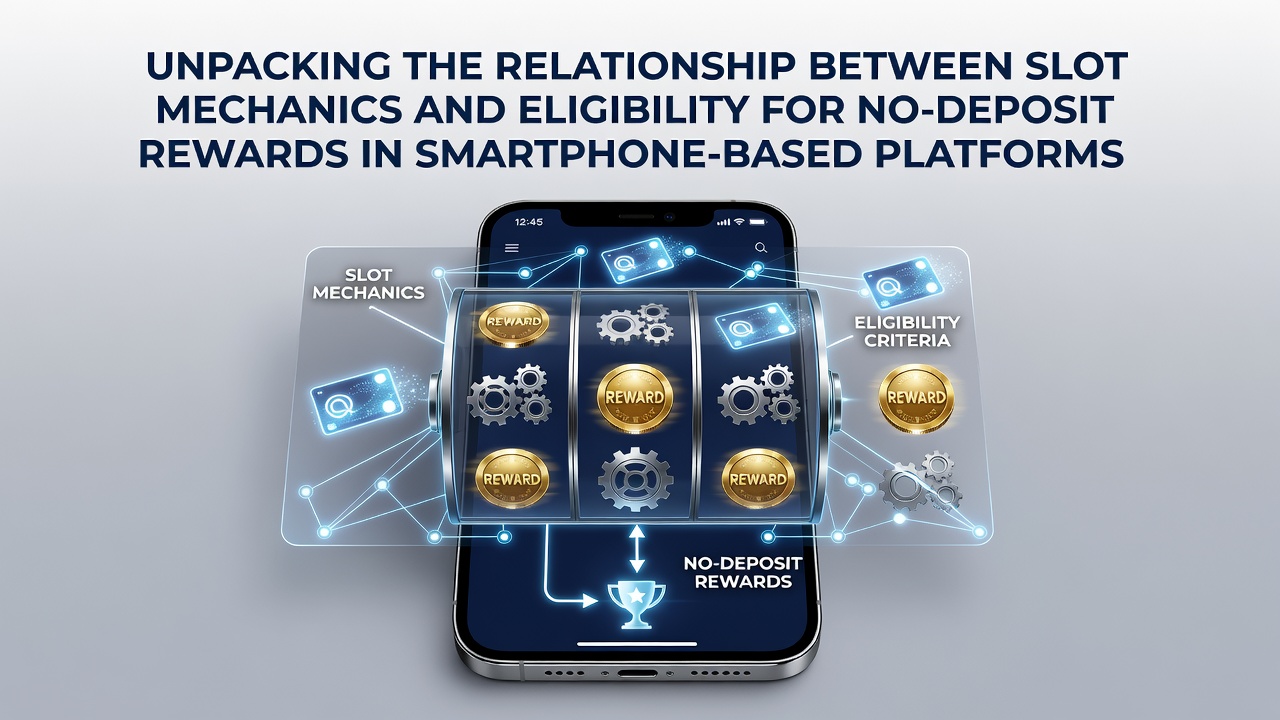
Slot mechanics on smartphone platforms operate through certified random number generators that determine symbol outcomes across multiple reels and paylines, while no-deposit rewards provide players with free spins or bonus funds subject to specific game eligibility rules. These elements intersect when platform operators apply contribution percentages and exclusion lists that tie directly to a slot's volatility, return-to-player rate, and bonus feature frequency. Data from industry reports show that games with higher volatility often receive reduced contribution rates toward wagering requirements, which in turn affects how quickly players meet playthrough conditions on mobile devices.
Core Components of Slot Mechanics on Mobile Platforms
Smartphone-based slots rely on algorithms that calculate hit frequency, reel configurations, and multiplier triggers, with many titles optimized for touch controls and portrait orientation. Research indicates that return-to-player percentages typically range between 94 and 98 percent across certified titles, yet operators adjust these figures within regulatory boundaries set by bodies such as the Nevada Gaming Control Board. Volatility levels further shape session length, where low-volatility games deliver frequent small wins while high-volatility options produce larger but less common payouts. Observers note that these mechanical traits influence bonus eligibility because platforms categorize games by their expected contribution to wagering, with progressive jackpot slots frequently limited or excluded from no-deposit promotions.
Structure of No-Deposit Rewards and Eligibility Criteria
No-deposit rewards on mobile platforms usually consist of free spins credited upon account verification or bonus cash awarded after registration, each carrying distinct terms around maximum cashout, expiration periods, and eligible game lists. Figures from the American Gaming Association reveal that contribution rates vary by game type, with slots often counting at 100 percent while table games receive lower percentages or zero contribution in certain jurisdictions. Eligibility expands or contracts based on whether a slot includes buy-a-bonus features, cascading reels, or expanding wilds, as these mechanics alter the rate at which players generate wagering activity. Those who study mobile gambling patterns find that platforms update eligible game rosters monthly to reflect new releases and regulatory adjustments, particularly when new titles enter app stores.
How Slot Mechanics Directly Affect Reward Eligibility
Mechanics such as reel count, payline structure, and bonus round triggers determine whether a slot qualifies for full contribution toward no-deposit playthrough requirements. Slots featuring frequent retrigger opportunities or multiplier wilds may face restrictions because operators calculate that these elements accelerate bonus completion, prompting limits on maximum bet sizes during promotional play. In contrast, games with standard three-reel formats and fixed paylines often appear on approved lists without additional constraints. Evidence from regulatory filings shows that smartphone platforms enforce these rules through backend game tagging systems that automatically flag ineligible titles when players attempt to use bonus funds. As of August 2026, several North American operators adjusted their mobile libraries to align with updated contribution tables issued by state regulators, resulting in clearer distinctions between classic and modern video slots.
Regional Regulatory Influences on Mobile Bonus Structures
Regulators across different regions establish frameworks that govern how slot mechanics interact with promotional eligibility. The Victorian Commission for Gambling and Liquor Regulation in Australia requires operators to publish contribution percentages for every game offered on mobile applications, creating transparency around which titles support no-deposit rewards. Canadian provincial authorities similarly mandate that bonus terms disclose game-specific wagering contributions, which affects how developers design mobile slots for cross-border markets. Researchers at institutions tracking gambling technology observe that these regional differences produce varied eligibility landscapes, where a slot approved for bonus play in one jurisdiction may carry restrictions in another due to differing volatility classifications.
Technical Implementation on Smartphone Applications
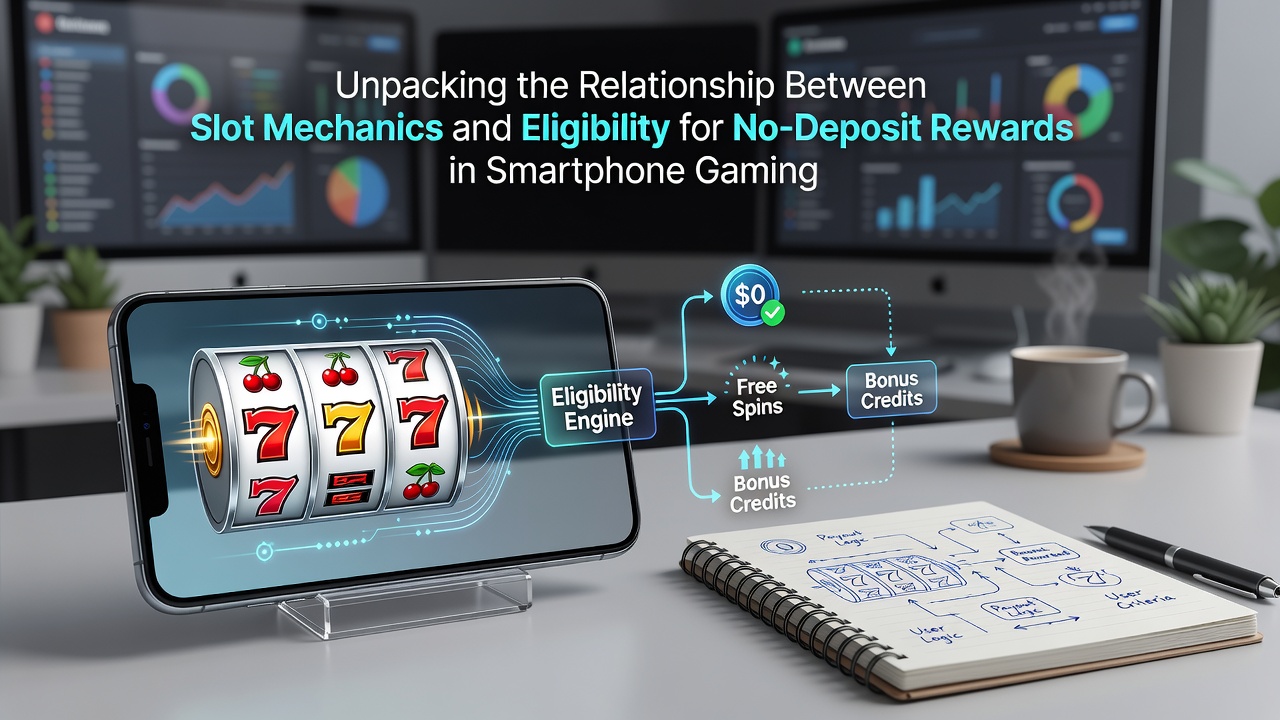
Mobile platforms integrate slot mechanics with backend systems that track player activity in real time, applying eligibility filters when no-deposit rewards activate. Developers embed metadata tags within each game that signal its contribution rate and exclusion status, allowing apps to prevent bonus funds from being used on restricted titles. Those who analyze platform updates note that touch-optimized interfaces sometimes introduce slight variations in feature activation timing compared with desktop versions, though core RNG certification remains consistent. Data collected by research organizations indicates that these technical layers help operators maintain compliance while delivering seamless gameplay across iOS and Android devices.
Conclusion
The relationship between slot mechanics and no-deposit reward eligibility on smartphone platforms rests on measurable attributes such as volatility, contribution rates, and regulatory tagging systems. Operators apply these factors through automated game lists and wagering calculations that respond to both technical design and jurisdictional requirements. Continued evolution in mobile technology and regulatory reporting will shape how these elements interact in future updates.